- Mon - Sat: 09:00 AM - 06:00 PM
- [email protected]
- +91 9194700477
- Solar Careers
- Contact Us


Our Blog


 Updated By: Admin
- Nov 26 2026
Built For Central India's Sun: What A 5 MW Solar Plant Means In Durg, Chhattisgarh
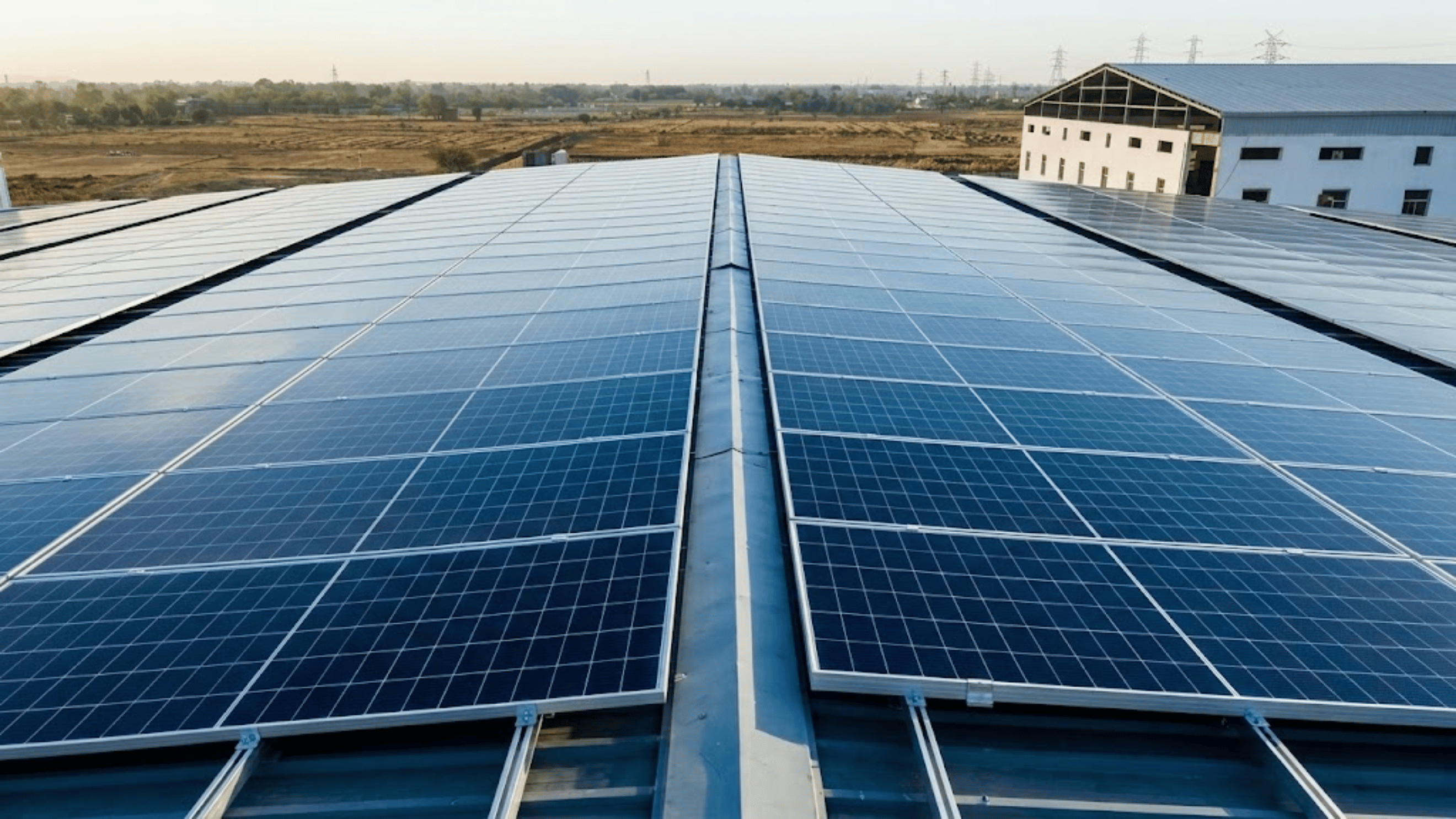
Drive out of Durg on a clear morning and you will see why central India is such good solar country. Flat land, wide skies and sun that shows up for most of the year.
Now picture 5 MW of solar panels sitting on that land, quietly turning sunlight into power for the next 25 years. That is the story of this project.
Project At A Glance
- Capacity: 5 MW
- Location: Durg, Chhattisgarh
- Scale: MW-class solar plant
- EPC Partner: Helium Solar
Why Durg Makes Sense For Big Solar
Durg sits right next to Bhilai, home to one of India's best-known steel plants, and the area has grown into a serious industrial belt. Steel, cement, rice mills and engineering units all need a lot of power, and most of it runs through the day.
Chhattisgarh also gets strong sunshine for most of the year. Outside the monsoon months, clear days are the norm, which is exactly what a large solar plant needs.
What Makes A 5 MW Plant Different From A Rooftop
A rooftop plant of 100 or 500 kW is a project. A 5 MW plant is closer to building a small power station. The scale changes almost every decision.
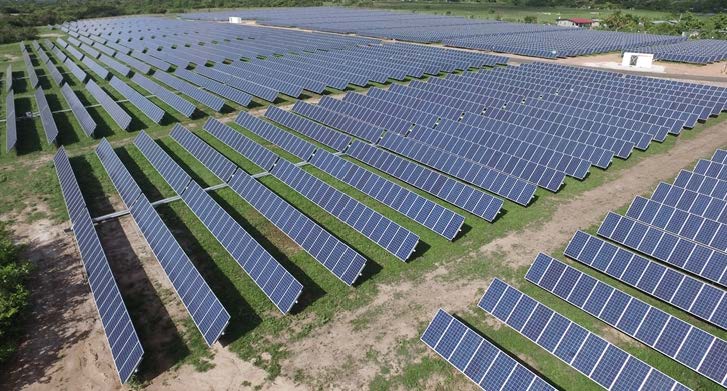
- Land, not roof. Plants this size are usually ground-mounted, so land survey, soil testing and levelling come first.
- Bigger electrical system. Power has to be stepped up through a transformer and connected to the grid at a higher voltage, with proper protection.
- Approvals take planning. Grid connection in the state runs through CSPDCL, under rules set by the state regulator, CSERC. CREDA is the state nodal agency for renewable energy.
- Long-term care. With thousands of panels, cleaning, monitoring and quick fault repair decide how much the plant really earns.
What A Project Like This Involves
Here is how a 5 MW plant in a place like Durg usually comes together.
1. Land And Soil Study. Engineers survey the land, check soil strength for the structure foundations, and plan for drainage, because heavy monsoon rain is a fact of life here.
2. Plant Layout. Rows are spaced so they do not shade each other in winter, with roads for cleaning vehicles and a clear path for cables.
3. Electrical Design. Inverters, a step-up transformer, switchgear and protection are sized together, so the plant can export power safely and keep running if one section needs repair.
4. Build In Phases. Piling, structures, panels and cabling usually move block by block. Each block can be tested before the next one is finished.
5. Grid Connection And Monitoring. After approvals and testing, the plant is connected to the grid, and remote monitoring tracks every inverter so problems are spotted the same day.

How Much Does A 5 MW Solar Plant Cost In India?
A 5 MW ground-mounted solar plant in India typically costs around ₹18 crore to ₹21 crore, depending on panel type, structure, land development, transformer and the distance to the grid connection point. Land cost is usually extra and varies a lot by location.
That works out to roughly ₹3.6 crore to ₹4.2 crore per MW. At this scale, small savings per watt add up fast, but cutting corners on structure, earthing or cabling costs far more over 25 years.
How Many Units Does A 5 MW Plant Generate In Chhattisgarh?
A 5 MW plant in Chhattisgarh usually generates around 70 lakh to 77 lakh units a year. Output is highest from February to May, dips during the monsoon months of July and August, and recovers strongly after the rains.
What This Capacity Means In Real Life
Here are typical numbers for a plant this size in central India. These are estimates, not the exact figures for this site.
| Item | Typical Estimate For 5 MW In Chhattisgarh |
|---|---|
| Yearly Generation | Around 70 to 77 lakh units |
| Land Needed | Around 20 to 25 acres |
| Project Cost (Without Land) | Around ₹18 crore to ₹21 crore |
| Simple Payback | Usually 4 to 5 years, depending on the power model |
| CO2 Avoided | Around 5,000 to 5,400 tonnes a year |

To put that in perspective, 70 lakh units a year is enough to run a mid-sized factory's daytime load for a whole year.
How Does The Monsoon Affect A Solar Plant In Durg?
The monsoon brings cloudy weeks that cut output, and heavy rain that can wash soil away if drainage is poor. A well-built plant handles both. Generation dips for a couple of months, but the rest of the year makes up for it, and good drainage keeps the structures safe.
The rain also does some free cleaning. Panels often run at their cleanest right after a few monsoon showers.

What Large Power Users In Central India Can Learn
Think In Years, Not Months. Judge a solar plant on its yearly generation, not on one cloudy July.
Drainage Is Not Optional. In Chhattisgarh, drainage and foundations matter as much as the panels. Ask your EPC partner how they plan for heavy rain.
Pick The Right Power Model. A plant this size can supply your own factory as a captive plant, supply power through open access, or sell to the grid. Each has different approvals, charges and returns, so work this out before you buy land.
Plan For 25 Years Of Care. Budget for cleaning, monitoring and spares from day one. A well-maintained plant can earn noticeably more over its life than a neglected one.
Experience At Every Scale
Helium Solar has been building solar since 2012, with 500 MW+ of capacity delivered, from factory rooftops to utility-scale plants for NTPC. You can also read about our 400 kWp factory rooftop in Mohali, browse all our work on the solar projects page, or see our industrial solar EPC services.
If you run a plant in Durg, Bhilai, Raipur or anywhere in central India and want to know what MW-scale solar could do for your power bill, ask for a free site assessment. Call or WhatsApp +91 8451051789.
Frequently Asked Questions
1. How Much Land Does A 5 MW Solar Plant Need?
A 5 MW ground-mounted plant typically needs around 20 to 25 acres of flat, shadow-free land. The exact area depends on panel type, row spacing and the shape of the plot.
2. How Long Does It Take To Build A 5 MW Solar Plant?
Once land and approvals are in place, construction usually takes around 4 to 6 months. Grid connection approvals can add time, so it helps to start that paperwork early.
3. Can A Factory In Chhattisgarh Use Power From Its Own Solar Plant?
Yes. A factory can set up a captive solar plant or buy solar power through open access, subject to state rules and charges. CSPDCL and CREDA can confirm the current process and limits for your case.
4. What Is The Payback Of A 5 MW Solar Plant?
Payback usually falls between 4 and 5 years, depending on whether the power is used on site, sold through open access or sold to the grid, and on the charges that apply.
5. Does The Monsoon Damage Solar Plants?
Not if the plant is designed well. Proper foundations, drainage channels and good cable routing keep the plant safe through heavy rain. Generation dips in cloudy months but recovers fully after.
6. How Is A Large Solar Plant Maintained?
Large plants are cleaned on a regular schedule, monitored remotely every day, and inspected for loose connections, hot spots and vegetation growth. Quick repairs keep yearly losses small.
Our Recent Blog