- Mon - Sat: 09:00 AM - 06:00 PM
- [email protected]
- +91 9194700477
- Solar Careers
- Contact Us


Our Blog


 Updated By: Admin
- Nov 25 2026
What A 600 kWp Rooftop Solar Plant Means For A Delhi Logistics Hub: The Blue Dart Bijwasan Story
At 2 in the afternoon, a logistics hub near Delhi airport is at its busiest. Conveyors are running, scanners are beeping, lights and fans are on across a huge shed, and parcels need to move before the evening flights.
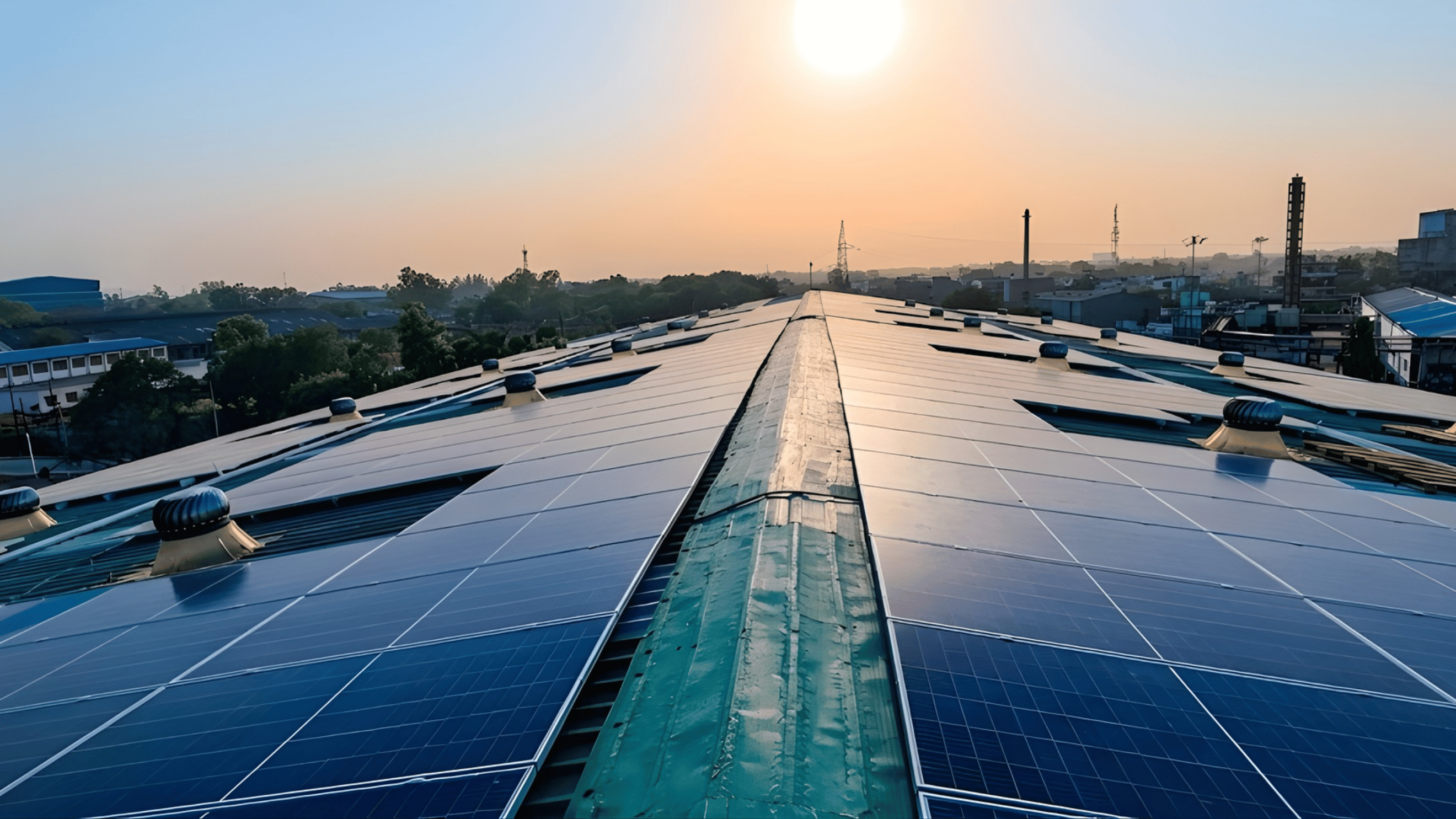
That is also the time the sun is hitting the roof hardest. For years, most warehouse roofs in Delhi have just soaked up that heat and done nothing else with it.
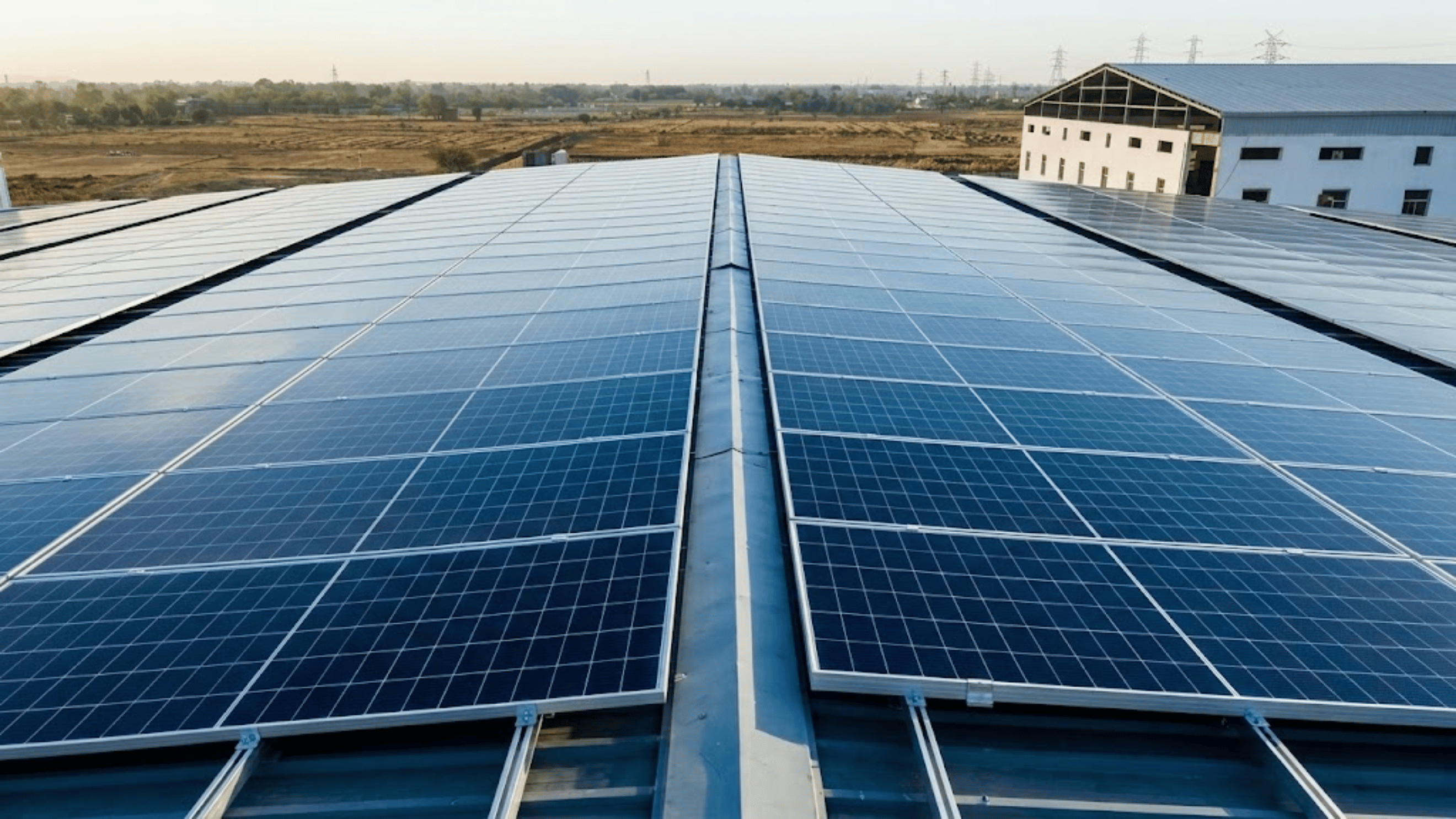
This is the story of how that roof went to work.
Project At A Glance
- Client: Blue Dart Express Limited
- Location: Brijwasan (Bijwasan), Delhi
- Capacity: 600 kWp
- Industry: Express Logistics And Courier
- EPC Partner: Helium Solar
Meet The Business
Blue Dart is one of India's best-known express logistics companies, and it is part of the global DHL Group. Its whole promise is speed: a parcel picked up today should reach the right city tomorrow.
Bijwasan sits right next to Indira Gandhi International Airport, in South West Delhi. That makes it a natural area for logistics and air cargo work, where sorting, storage and dispatch happen at all hours.
A logistics building like this uses power in a very particular way. The big load comes from lighting across a large floor, conveyor and sorting systems, IT and scanning equipment, cooling for offices and server rooms, and charging for handheld devices and sometimes electric vehicles. Most of that runs hardest during the day.
The Challenge Most Delhi Warehouses Face
Commercial electricity in Delhi is not cheap. Once you add fixed charges, energy charges and taxes, many commercial users end up paying somewhere around ₹8 to ₹10 per unit. For a site running all day, that adds up to a serious monthly bill.
Delhi warehouses also run into a few practical problems when they think about solar:
- Metal sheet roofs. Most logistics sheds have tin or colour-coated roofs, which need the right clamps and structure so nothing is drilled carelessly and the roof does not start leaking.
- Dust and smog. Delhi's air leaves a layer of dust on panels, especially in winter, so cleaning has to be planned from day one.
- Operations cannot stop. You cannot shut a parcel hub for a week to install panels. The work has to happen around live operations.
- Approvals. Net metering means paperwork with the local DISCOM, which in this part of Delhi is BSES Rajdhani Power Limited (BRPL).

What A Project Like This Involves
When an EPC team takes on a 600 kWp rooftop in a place like Bijwasan, the work usually follows a clear path.
1. Roof And Load Study. Engineers check the roof sheets, purlins and structure, see where shadows fall from skylights, vents or nearby buildings, and study a year of electricity bills to understand when the power is used.
2. Design That Fits The Roof. On metal roofs, panels are normally fixed with non-penetrating or seam clamps, laid out to leave walkways for cleaning and maintenance. The layout follows the roof slope so water still drains the way it always did.
3. Inverter Sizing. A plant of this size usually uses several string inverters instead of one big unit. If one inverter needs service, the rest of the plant keeps generating.
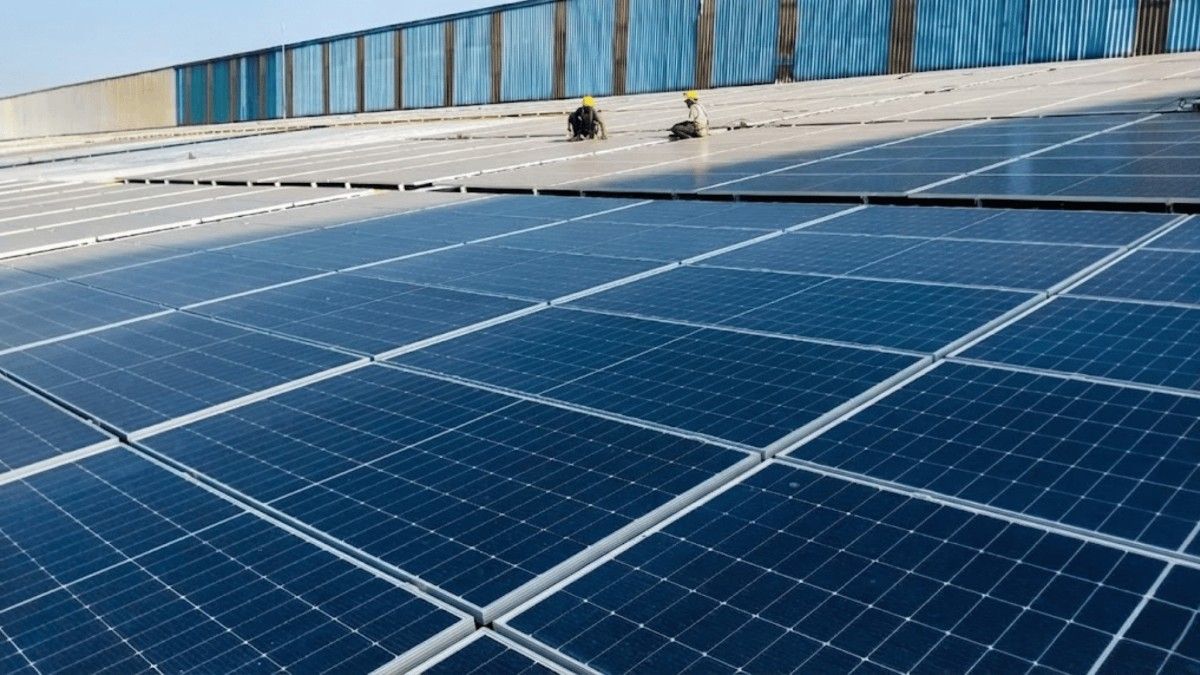
4. Safe Installation Without Stopping Work. Material goes up in planned batches, work zones are marked, and the electrical tie-in is scheduled for a short window, often on a holiday or a low-traffic shift.
5. Net Metering And Commissioning. The team files with the DISCOM, gets the bidirectional meter installed, and sets up remote monitoring so the facility team can see generation on their phone.
How Much Does A 600 kW Solar Plant Cost In Delhi?
A 600 kW commercial rooftop solar plant in Delhi typically costs around ₹2.4 crore to ₹2.8 crore, depending on panel type, structure, inverter brand and roof condition. Metal roof structures and long cable runs can push it up. A RESCO model can bring the upfront cost down to zero.
That works out to roughly ₹40,000 to ₹47,000 per kW for a well-built plant with good components. Cheap quotes well below this range usually cut corners on structure, cables or earthing, and that shows up within a few years.
How Many Units Does A 600 kWp Plant Generate In Delhi?
A 600 kWp plant in Delhi usually generates around 8 lakh to 8.5 lakh units a year, which is roughly 2,200 to 2,400 units on a clear day. Output drops a little in smoggy winter months and on cloudy monsoon days, and goes up in March to May.
What This Capacity Means In Real Life
Here is a simple picture using typical Delhi numbers. These are estimates for a plant this size, not the exact figures for this site.
| Item | Typical Estimate For 600 kWp In Delhi |
|---|---|
| Yearly Generation | Around 8 to 8.5 lakh units |
| Value At ₹8 To ₹9 Per Unit | Around ₹64 lakh to ₹76 lakh a year |
| Roof Area Needed | Around 40,000 to 48,000 sq ft |
| Simple Payback (CAPEX) | Usually 3.5 to 4.5 years |
| CO2 Avoided | Around 550 to 600 tonnes a year |

Panels typically last 25 years or more. So after payback, a business like this gets close to two decades of very cheap daytime power.
Is Rooftop Solar Worth It For A Warehouse?
Yes, for most warehouses it is one of the clearest solar cases. They have large, flat or gently sloped roofs, heavy daytime power use and long-term premises. That combination means most solar units are used on site, which gives the best savings and the fastest payback.
Logistics companies also have another reason. Many of them have public sustainability goals, and cutting grid power at their hubs is one of the most visible steps they can take.
What Other Warehouse Owners In Delhi NCR Can Learn
Check Your Roof Before You Check Panel Prices. The roof decides everything. Get the sheets, structure and remaining roof life checked first. If the roof needs replacing in five years, do it before solar goes on.
Look At When You Use Power, Not Just How Much. Solar pays best when your load runs during the day. Warehouses, cold chains and sorting centres are a great fit for exactly this reason.
Plan Cleaning On Day One. In Delhi, dusty panels can lose a noticeable share of output. A simple water line and walkways on the roof make regular cleaning easy.
Pick The Model That Suits Your Money. If you would rather not spend capital, a RESCO or zero-investment model lets you pay per unit, usually below your grid tariff, while someone else owns and maintains the plant.
A Partner That Has Done This At Scale
Helium Solar has been building solar plants since 2012, with 500 MW+ of capacity delivered, including utility-scale work for NTPC and industrial plants for JSW. Rooftops like this one in Bijwasan are where that experience pays off: careful structure work, clean wiring and a plant that keeps performing year after year. You can see more of our work on our solar projects page, or read about commercial solar in Delhi NCR.
If you run a warehouse or factory in Delhi NCR and want to know what your roof could do, ask for a free roof check. Call or WhatsApp +91 8451051789.

Frequently Asked Questions
1. Can Commercial Buildings In Delhi Get Net Metering?
Yes. Delhi allows net metering for commercial and industrial users under DERC regulations. Your DISCOM, such as BSES Rajdhani, BSES Yamuna or Tata Power-DDL, installs a bidirectional meter, and the extra units you export are adjusted against your bill.
2. How Much Roof Space Does A 600 kW Solar Plant Need?
On a metal sheet roof, a 600 kW plant typically needs around 40,000 to 48,000 sq ft of shadow-free area. Flat RCC roofs may need a little more because of row spacing.
3. Will Solar Panels Damage A Warehouse Tin Roof?
Not if it is done right. Good EPC teams use seam clamps or proper fasteners with sealing, follow the roof slope, and check the purlins first. Most roof leaks after solar come from rushed, low-cost installations.
4. What Is The Payback Period For Commercial Solar In Delhi?
For a CAPEX plant, payback usually falls between 3.5 and 4.5 years, depending on your tariff and how much of the solar power you use on site. Accelerated depreciation benefits can shorten it further for eligible businesses.
5. Can A Warehouse Go Solar With Zero Investment?
Yes, through a RESCO model. A solar developer installs and owns the plant on your roof, and you buy the power at a fixed rate, usually lower than your grid tariff, for an agreed number of years.
6. How Do You Keep Panels Clean In Delhi's Dust And Smog?
Most commercial plants in Delhi are cleaned every one to two weeks, with extra cleaning in winter. A water point on the roof and planned walkways make this quick and safe.
Our Recent Blog