- Mon - Sat: 09:00 AM - 06:00 PM
- [email protected]
- +91 9194700477
- Solar Careers
- Contact Us


Our Blog


 Updated By: Admin
- Nov 26 2026
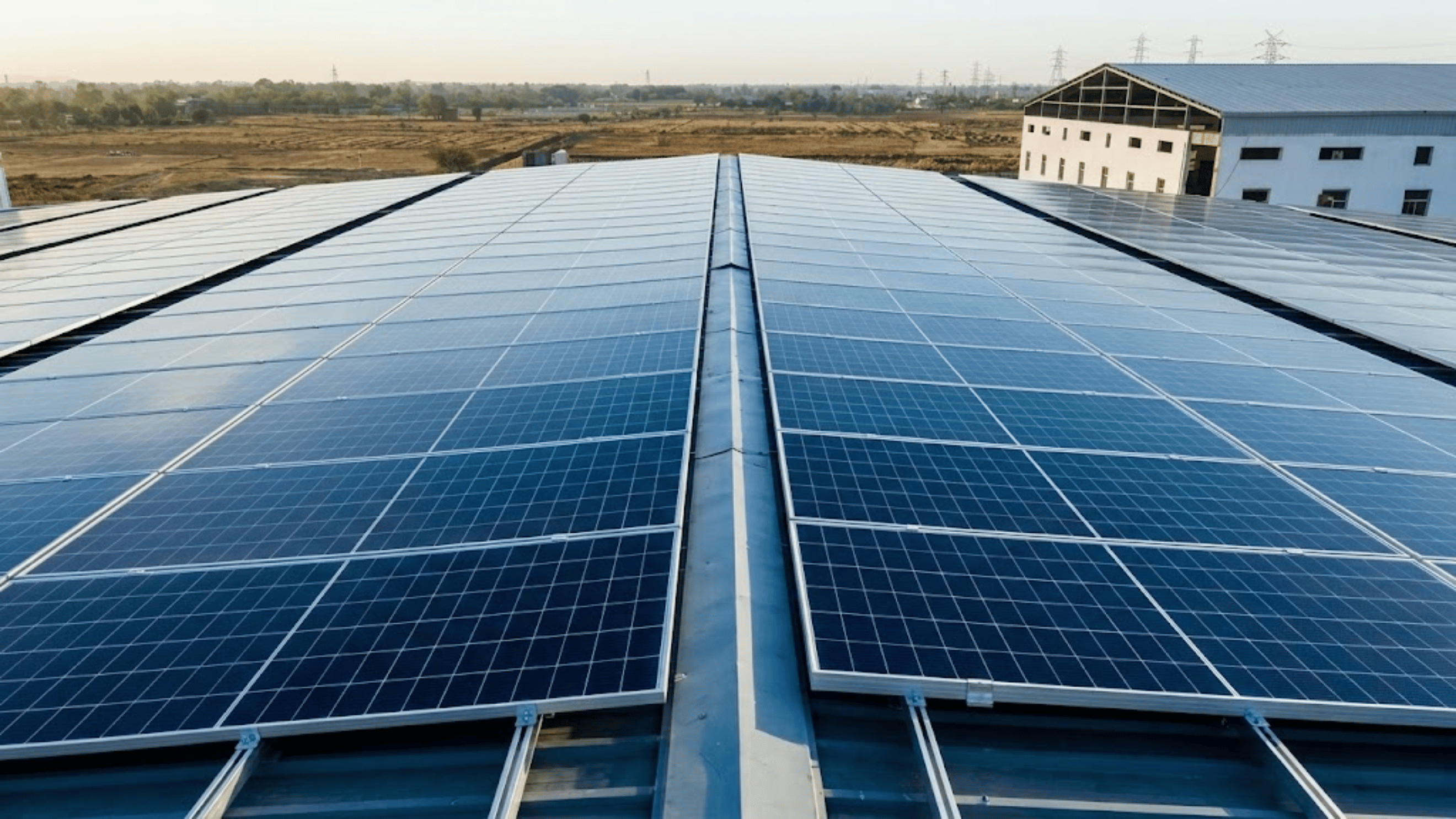
Sunny Summers, Foggy Winters: What A 400 kWp Rooftop Plant Means For A Mohali Factory, The Tube Investments Story
Ask any factory owner in Mohali what keeps them up at night, and power will come up within five minutes. Machines do not care what electricity costs. They just need it, every shift, every day.
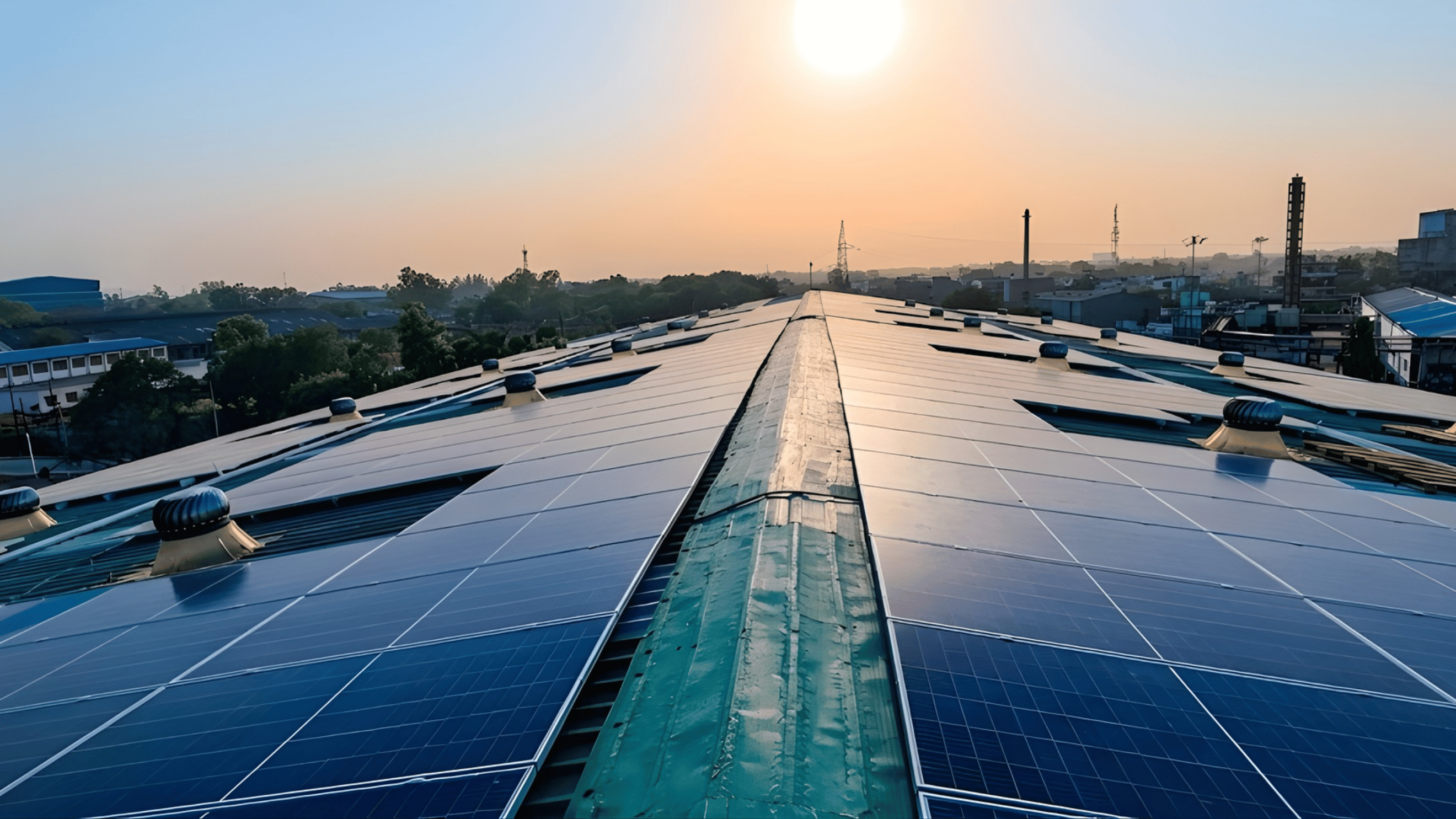
Meanwhile, right above those machines, there is a big metal roof sitting in the Punjab sun for more than 300 days a year.
This is the story of what happens when that roof starts pulling its weight.
Project At A Glance
- Client: Tube Investments Of India Limited
- Location: Mohali, Punjab
- Capacity: 400 kWp
- Industry: Engineering And Manufacturing
- EPC Partner: Helium Solar
Meet The Business
Tube Investments Of India is part of the Murugappa Group, one of India's oldest business houses. The company is best known for precision steel tubes and engineering products, and its bicycle brands like BSA and Hercules are household names across the country.
Mohali sits right next to Chandigarh and has grown into one of North India's busiest industrial belts. Factories here run machines, compressors, lighting and cooling for long hours, and most of that load lands during the day.
The Challenge Most Punjab Factories Face
Industrial power in Punjab comes from PSPCL. Once you add energy charges, fixed charges and duty, many industrial users end up paying somewhere around ₹7 to ₹8 per unit. For a factory running two shifts, that is a big line on the monthly expense sheet.
Factories in this region also have a few specific things to think about before going solar:
- Winter fog. December and January bring dense fog across Punjab, which cuts solar output for a few weeks. A good design plans for this instead of pretending it will not happen.
- Metal roofs with long spans. Engineering sheds usually have large tin or colour-coated roofs. The structure has to be checked so the extra load is carried safely.
- Dust from nearby industry. Panels near busy industrial roads collect dust fast, so cleaning needs a schedule.
- Approvals. Net metering means paperwork with PSPCL under the rules set by the state regulator, PSERC. The state nodal agency for renewable energy is PEDA.
What A Project Like This Involves
Here is what a 400 kWp factory rooftop in Mohali usually involves.
1. Roof And Load Study. Engineers check the roof sheets, purlins and trusses, mark shadow zones from vents and skylights, and study a year of power bills to see how much load runs during sunlight hours.
2. Design For Punjab's Weather. Panel tilt and row layout are planned to make the most of strong summer sun, while accepting that winter output will dip. Walkways go in so cleaning teams can move safely.
3. Inverter Planning. A plant this size usually uses several string inverters. If one needs service, the rest keep running, so the factory never loses all its solar at once.
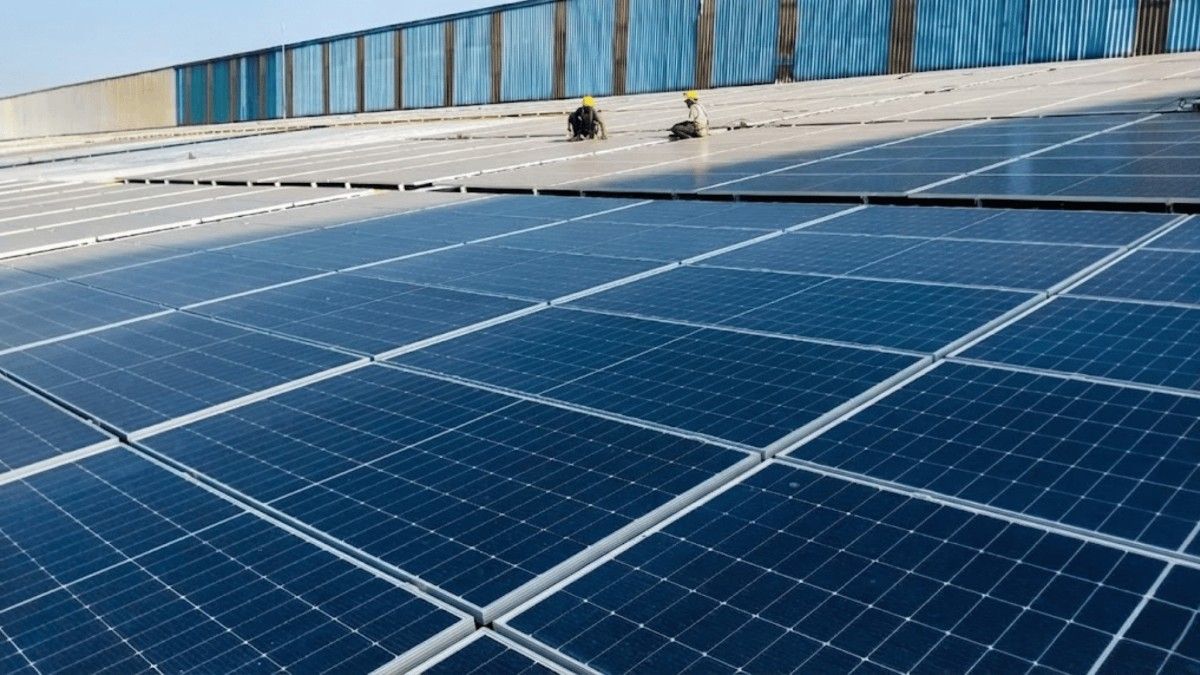
4. Installation Without Disturbing Production. Material is lifted in batches, work zones are fenced off, and the final electrical connection is done during a planned shutdown or holiday.
5. Net Metering And Monitoring. The team files with PSPCL, the bidirectional meter goes in, and remote monitoring lets the maintenance team check generation from their phones.

How Much Does A 400 kW Solar Plant Cost In Punjab?
A 400 kW industrial rooftop solar plant in Punjab typically costs around ₹1.6 crore to ₹1.9 crore, depending on panel type, structure, inverters and roof condition. Strong structures for long-span metal roofs can add to the cost. A RESCO model can bring the upfront spend down to zero.
That is roughly ₹40,000 to ₹47,000 per kW for a well-built plant. Quotes far below this usually save money on structure, cables or earthing, and those shortcuts show up later.
How Many Units Does A 400 kWp Plant Generate In Mohali?
A 400 kWp plant in Mohali usually generates around 5.6 lakh to 6 lakh units a year. Output is strongest from March to June, slightly lower in the monsoon, and drops noticeably during foggy weeks in December and January.
What This Capacity Means In Real Life
Here are typical numbers for a plant this size in Punjab. These are estimates, not the exact figures for this site.
| Item | Typical Estimate For 400 kWp In Punjab |
|---|---|
| Yearly Generation | Around 5.6 to 6 lakh units |
| Value At ₹7 To ₹8 Per Unit | Around ₹39 lakh to ₹48 lakh a year |
| Roof Area Needed | Around 26,000 to 32,000 sq ft |
| Simple Payback (CAPEX) | Usually 3.5 to 4.5 years |
| CO2 Avoided | Around 400 to 425 tonnes a year |

With panels lasting 25 years or more, that means two decades of very low-cost daytime power after payback.
Does Fog In Punjab Make Solar A Bad Idea?
No. Fog reduces output for a few weeks in winter, but Punjab gets strong sunshine for most of the year. Across 12 months, a well-designed plant in Mohali still produces close to what plants in other North Indian cities do. The yearly total is what decides your savings, not one foggy week.

What Other Factory Owners In Punjab Can Learn
Judge Solar On The Full Year. Do not let one foggy January scare you off. Look at yearly generation and yearly savings.
Fix The Roof First. If your shed needs new sheets in the next few years, change them before solar goes up. Taking panels down later costs time and money.
Match Solar To Your Day Load. Factories running during daylight get the most value, because almost every solar unit gets used on site.
Pick CAPEX Or RESCO Based On Cash. If you would rather keep capital for machines, a RESCO deal lets you buy solar power per unit, usually below your PSPCL tariff.
A Partner Close To Mohali
Helium Solar has been building solar since 2012, with 500 MW+ of capacity delivered, including utility-scale plants for NTPC and an industrial rooftop for Blue Dart in Delhi. With a sales office in Chandigarh, the Tricity is close to home for our team. See more of our work on our solar projects page, or read about our industrial solar EPC services.
If you run a factory in Mohali, Chandigarh or anywhere in Punjab and want to know what your roof could save, ask for a free roof check. Call or WhatsApp +91 8451051789.
Frequently Asked Questions
1. Can Factories In Punjab Get Net Metering?
Yes. PSERC regulations allow net metering for eligible rooftop solar systems, including industrial consumers. PSPCL installs a bidirectional meter, and the units you export are adjusted against your bill. Check current capacity limits with PSPCL before you finalise the plant size.
2. How Much Roof Space Does A 400 kW Solar Plant Need?
On a metal sheet roof, a 400 kW plant typically needs around 26,000 to 32,000 sq ft of shadow-free area. Flat RCC roofs need a little more because of row spacing.
3. Does Fog Reduce Solar Generation In Punjab?
Yes, for a few weeks in December and January. But strong sun for the rest of the year makes up for it, so the yearly output stays healthy.
4. What Is The Payback Of Industrial Solar In Punjab?
For a CAPEX plant, payback usually falls between 3.5 and 4.5 years, depending on your tariff and how much solar you use on site. Accelerated depreciation can shorten it further for eligible businesses.
5. Can A Factory Go Solar With Zero Investment?
Yes, through a RESCO model. A developer installs and owns the plant on your roof, and you pay a fixed per-unit rate, usually below your grid tariff, for an agreed period.
6. How Often Should Factory Solar Panels Be Cleaned In Mohali?
Most factory plants here are cleaned every one to two weeks, more often near dusty roads or during dry months. Roof walkways and a water point make it quick and safe.
Our Recent Blog